Sump Pump Backup Systems: Are You Really Covered This Fall?
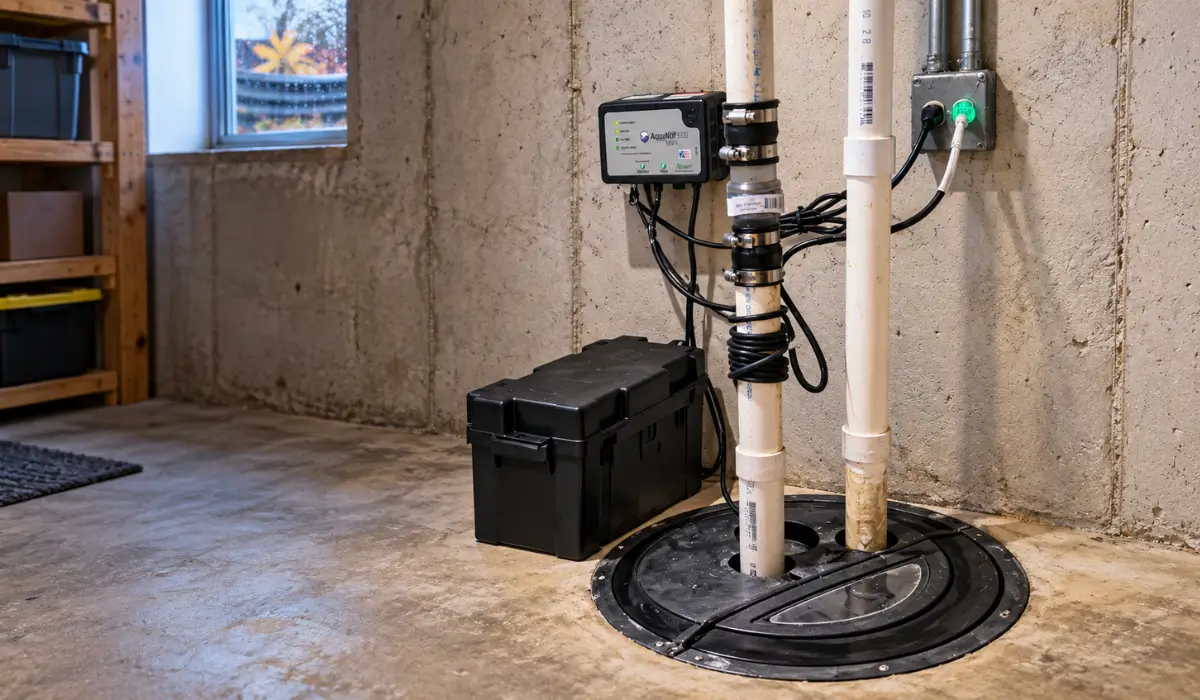
A working sump pump does not automatically mean your basement has backup protection. Sump pump backup systems provide another way to move water if the primary pump loses power, stops working, or cannot keep up.
For homeowners in Naperville and surrounding areas, fall is a practical time to check that protection before wetter weather puts more demand on the system. Bee Quick Plumbing & Sewer handles sump pump, plumbing, and sewer problems where one question matters: What removes the water if the main pump cannot?
The answer depends on what backup you have, what powers it, and whether it works.
How Sump Pump Backup Systems Protect Your Basement
A backup gives the sump system another way to remove water when the primary pump is unavailable or needs help.
Hearing the main pump run only confirms that it works at that moment. It does not show what will happen during a power outage, float failure, blocked discharge, or period of high incoming water.
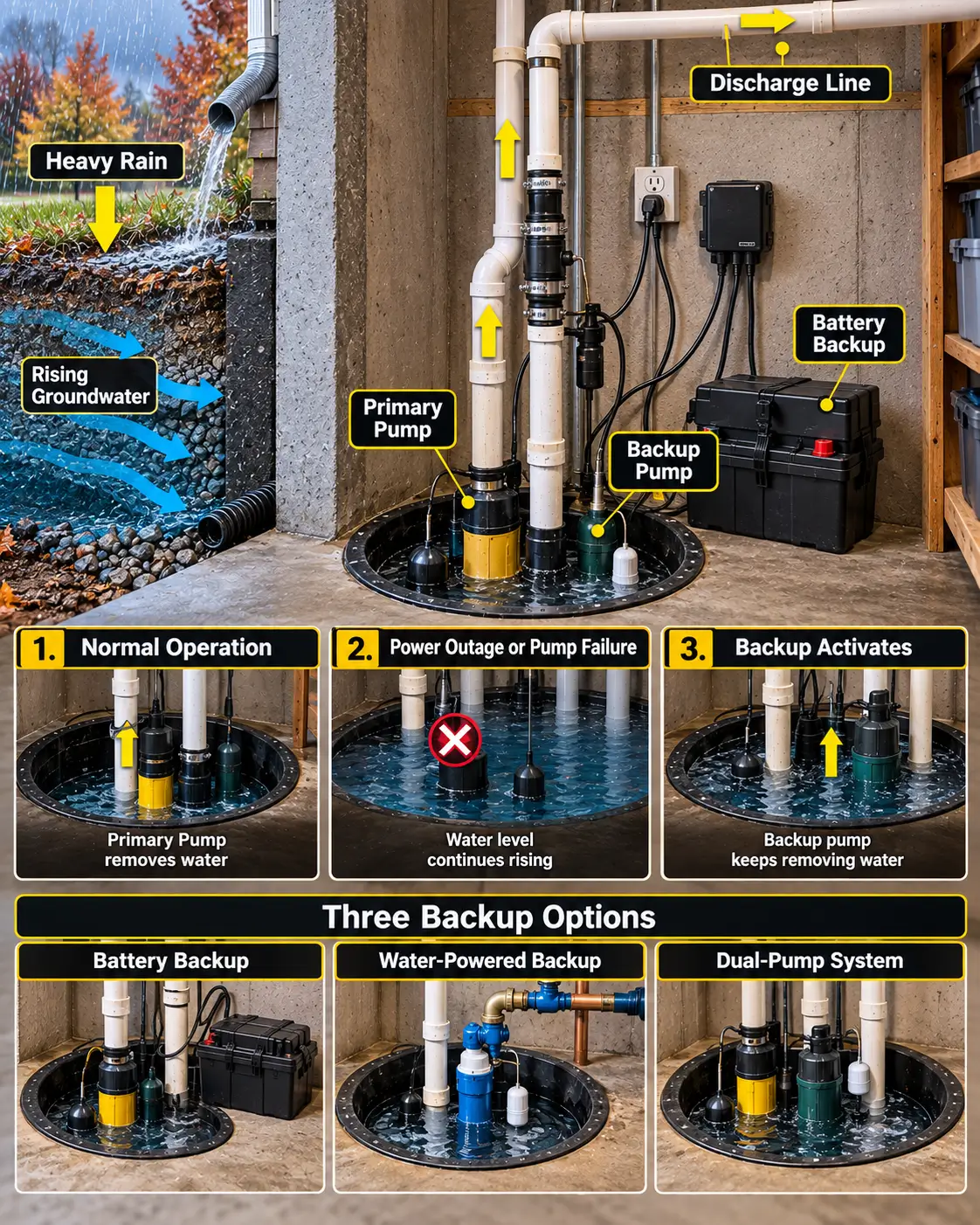
When Sump Pump Backup Systems Take Over
The main backup options work differently:
- Battery backup pumps use stored power when household electricity is unavailable.
- Water-powered backup pumps use municipal water pressure and require a compatible plumbing setup.
- Dual-pump systems add a second pump for additional capacity when water rises.
A second pump only provides useful backup if it can operate during the failure you are preparing for.
Why Sump Pumps Can Fail When You Need Them Most
Wet weather can make a sump system work harder. Common trouble points include a worn motor, stuck float, blocked discharge line, electrical problem, or poor maintenance.
The pump must start at the proper water level, move water out of the pit, discharge it correctly, and shut off normally. If the motor runs but the water level does not drop, the system is not doing its job.
Our owner, Elias, has more than nine years in the plumbing trade and began his apprenticeship at his father’s company at 18. His plumbing and sewer background supports the diagnostic approach we use today: identify the cause before assuming the pump itself has failed.
7 Signs Your Sump Pump System May Not Be Ready for Fall
Seven warning signs include constant running, unusual noises, corrosion, frequent cycling, unexpected standing water, an aging backup battery, and a system that has never been tested.
The Pump Runs Constantly
A pump that rarely shuts off may be handling more incoming water than normal. A float or capacity problem can also keep it running.
Strange Vibrations or Noises
Grinding, rattling, or a new vibration can point to a worn or loose part. The sound signals a change but does not diagnose the cause.
Visible Rust or Corrosion
Rust or corrosion may indicate age, moisture exposure, or deterioration. Surface rust alone does not mean replacement is necessary.
Frequent Cycling
Repeated starting and stopping can involve high water flow, the float, a check valve, or another part of the setup.
Standing Water Near the Pit
Water inside the pit can be normal. Water outside it or in an area that is usually dry may point to seepage or another water-entry path.
The Backup Battery Is Several Years Old
Battery age matters, but remaining capacity cannot be judged by appearance alone. Battery type, charging, temperature, use, and maintenance affect condition.
The System Has Never Been Tested
An untested backup leaves the most important question unanswered: will it operate when the primary pump cannot?
Several warning signs together, or a failed functional test, are stronger reasons to evaluate the full setup.
How to Test Your Sump Pump Before Fall Storm Season
A visual check alone cannot confirm performance. A basic test should show whether rising water activates the pump and whether that water leaves the pit.
Follow the manufacturer’s instructions and avoid handling electrical components while standing in water.
- Add water carefully. Raise the pit level enough to trigger normal operation.
- Watch the float switch. Confirm that it moves freely and activates the pump.
- Confirm the water level drops. A running motor is not enough.
- Check discharge flow. Look for an obvious leak or blockage along accessible portions.
- Test the backup separately. Follow the procedure for the battery, water-powered pump, or secondary pump installed.
The primary and backup tests are separate. A working primary pump does not prove the backup can take over.
Problems with startup, water movement, or repeated abnormal operation may indicate a need for sump pump repair & replacement.
When the symptoms do not clearly point to the sump system, a broader plumbing issue may need to be ruled out. Homeowners with questions about plumbing inspections in Naperville, IL can describe where the water appears and what the system is doing so the appropriate next step can be identified without assuming the sump pump is responsible.
What Happens If Your Sump Pump Fails?
If the pump stops while water continues entering the pit, the water level can keep rising.
Possible consequences include:
- water reaching flooring, drywall, storage, or equipment;
- damp materials that require drying;
- more involved cleanup and repairs;
- a drainage or seepage problem the pump alone cannot correct.
Hypothetical example: A power outage occurs while heavy rain is sending water toward the sump pit. The primary electric pump stops, but incoming water continues. A working backup gives the system another way to move that water while normal electricity is unavailable.
Backup protection reduces dependence on the primary pump. It does not address every possible source of basement water.
Why Backup Protection Matters During a Power Outage
The useful question is not simply whether you have two pumps. It is whether the backup can operate when the primary loses its power source.
A battery backup uses stored power, while a properly configured water-powered unit relies on municipal water pressure. A second electric pump may add capacity but leave an outage gap if both pumps depend on the same electricity.
Backup design matters as much as the number of pumps in the pit.
Where Basement Water Problems Can Start
A sump pump manages water that reaches the sump pit and drainage system. It cannot address every path water takes into a basement.
Water entering through foundation areas can require a different response. Water seepage control in Naperville, IL addresses this type of water intrusion rather than treating a larger sump pump as the answer to every moisture problem.
A sewer inspection serves another purpose. A sump-pump problem does not automatically indicate sewer-line trouble. When symptoms point toward a sewer line, a sewer camera inspection can show conditions inside the line and help locate a possible problem.
The appropriate repair depends on identifying where the water is coming from first.
Should You Repair or Replace Your Sump Pump?
Repair makes more sense when the problem is isolated and the rest of the system remains dependable. Replacement deserves more consideration when condition, capacity, reliability, or repeated failures affect the whole setup.
| Repair may make sense when | Replacement may make more sense when |
|---|---|
| ⬢Float problem is isolated | ⬢Problems keep returning |
| ⬢Pump otherwise works normally | ⬢Performance is declining |
| ⬢One repairable part failed | ⬢Several parts show wear |
| ⬢Cause is limited | ⬢Previous repairs did not solve it |
| ⬢Capacity still fits the home | ⬢Capacity or backup protection is inadequate |
With sump pump repair & replacement, the decision starts with the cause rather than the symptom alone.
The Best Time to Prepare Is Before the Emergency
Sump pumps are easy to overlook when the basement is dry. Testing before wetter weather gives you time to identify a weak battery, failing float, blocked discharge, or pump problem before water starts rising.
A plumbing problem that cannot reasonably wait may require emergency plumbing services, which Bee Quick provides 24/7/365. Preventive checks give you more options than troubleshooting during active water intrusion.
Common Questions About Backup Protection
Do I really need a sump pump backup system?
If your home depends on a sump pump and nothing else can take over when it stops, backup protection is worth considering. The right setup depends on the home, utilities, water conditions, and equipment.
How often should a sump pump be tested?
Test it regularly enough to confirm that it starts, moves water, and shuts off normally. Follow the manufacturer’s maintenance instructions for your equipment.
How long do sump pump batteries last?
There is no universal lifespan. Battery type, temperature, charging, use, and maintenance affect condition, so manufacturer guidance should determine testing and replacement.
Can a sump pump prevent all basement flooding?
No. It manages water that reaches the sump system. Seepage, drainage issues, cracks, and other water-entry paths can require different solutions.
How do I know if my sump pump needs replacement?
Repeated failures, declining performance, deterioration, or failed testing are reasons to evaluate the system. Replacement becomes more practical when overall reliability no longer supports a reasonable repair.
Know What Takes Over Before the Main Pump Stops
Sump pump backup systems are useful only when the backup is ready if the primary loses power, fails, or cannot keep up. If you do not know what takes over or whether it has been tested, that protection has not been confirmed.
We serve Naperville and surrounding areas with plumbing and sewer services, including sump pump work. When testing identifies a problem, our sump pump repair and replacement services address that part of the system, while the underlying cause determines whether repair or replacement makes sense.